The Ultimate Guide to Custom Screen Printing: Everything You Need to Know
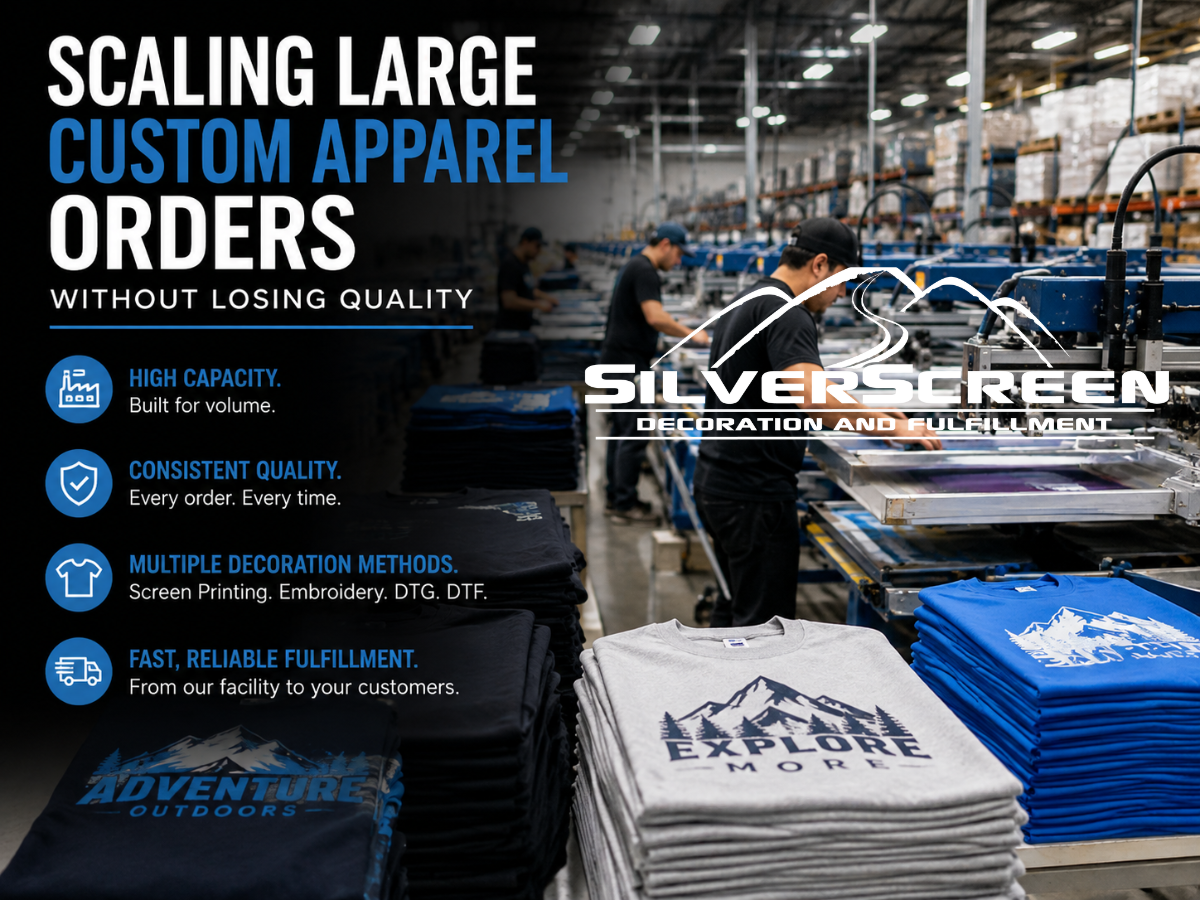
Custom apparel does more than carry a logo. It helps you build visibility, create consistency, and make a stronger impression with every wear. When you need apparel that looks sharp, lasts well, and performs at scale, custom screen printing remains one of the most trusted decoration methods available.
This guide explains how screen printing works, why businesses continue to rely on it, and when it makes the most sense for your brand. You will also learn what affects cost, how screen printing compares with other decoration methods, and what to look for in professional screen printing services.
If you are evaluating options for team apparel, branded merchandise, uniforms, or event gear, this article will help you make a more informed decision.
What Is Custom Screen Printing?
Custom screen printing is a decoration method that uses mesh screens, ink, and pressure to apply a design onto apparel or other materials. Each color in the design is typically applied through its own screen, which allows for strong color coverage and clean, repeatable results.
This method has earned its reputation for three main reasons:
- It produces bold, vibrant prints
- It holds up well through repeated wear and washing
- It is highly efficient for high-volume printing
Because of these strengths, screen printing is often used for:
- Company uniforms
- Event T-shirts
- School and team apparel
- Retail merchandise
- Promotional clothing
- Workwear programs
When quality and consistency matter across a full run, screen printing is often the right place to start.
How Screen Printing Differs From Other Decoration Methods
Every decoration method has a purpose. The right one depends on your artwork, garment type, quantity, and budget.
Here is a simple comparison:
- Screen printing: Best for medium to large orders, bold graphics, and long-lasting prints
- Embroidery: Best for polos, hats, jackets, and a more premium stitched look
- DTG printing: Best for smaller runs and highly detailed, full-color artwork on certain garments
- DTF printing: Useful for flexible applications and detailed transfers across various materials
If your project calls for vibrant color, repeat consistency, and cost efficiency at scale, custom screen printing is usually the stronger option.
How the Custom Screen Printing Process Works
A great print does not happen by chance. It comes from a structured process designed to control quality at every stage.
Artwork Preparation
The process begins with your design. Clean artwork is essential because print quality depends on the quality of the file provided.
Most professional printers prefer vector files or high-resolution artwork. At this stage, the design team also reviews:
- Print size
- Placement
- Color count
- Line thickness
- Garment compatibility
Good preparation reduces errors, improves accuracy, and speeds up production.
Screen Creation
Once the artwork is approved, a separate screen is created for each ink color. A stencil is made and applied to the mesh screen so ink passes only through the intended parts of the design.
This setup takes time, which is one reason screen printing is not always the cheapest option for very small orders. However, once setup is complete, the method becomes highly efficient for larger runs.
Ink Selection
Ink plays a major role in the final result. Different ink types create different looks and feels.
Common choices include:
- Plastisol ink: Known for strong color, durability, and wide fabric compatibility
- Water-based ink: Offers a softer hand feel and a more breathable finish on some garments
- Specialty inks: Include puff, metallic, glow, discharge, and other visual effects
The right ink depends on the garment, artwork, and brand goals. A knowledgeable print partner will guide that choice based on performance, not guesswork.
Press Setup and Registration
Registration is the process of aligning each screen so all colors print in the correct position. This is especially important for multi-color designs.
Strong registration ensures:
- Sharp detail
- Accurate layering
- Clean edges
- Consistent results across the full run
For professional screen printing services, press setup is one of the most important quality checkpoints.
Printing and Curing
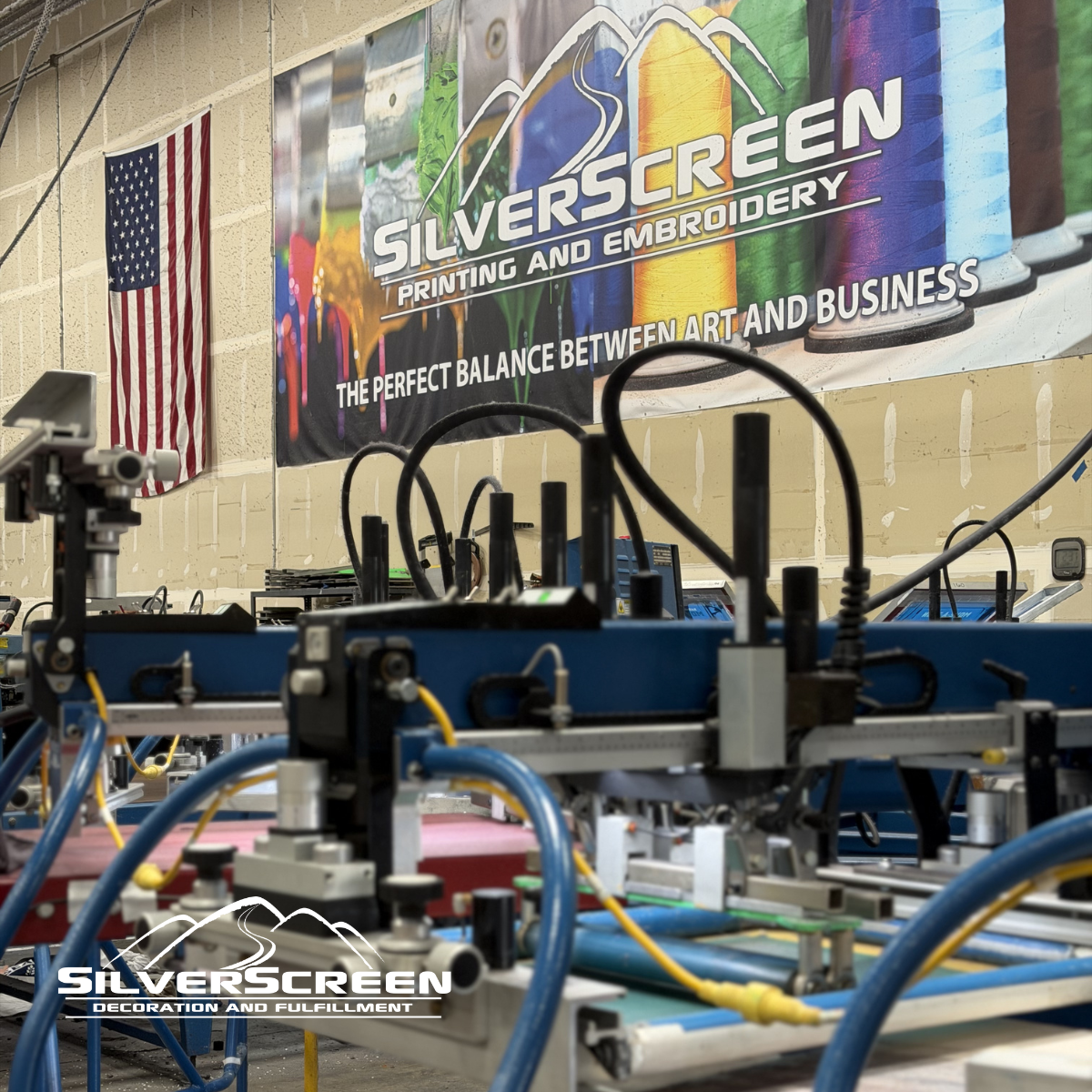
Once setup is complete, garments move through the press and ink is applied color by color. After printing, the design must be cured with heat so the ink bonds properly to the fabric.
If curing is done correctly, the print will stand up better over time. If it is rushed or inconsistent, durability can suffer. That is why process control matters just as much as equipment.
Quality Control and Finishing
After printing, garments are inspected for accuracy and consistency. Quality control may include checking:
- Color match
- Placement
- Registration
- Print clarity
- Cure quality
- Garment defects
From there, items may be folded, packed, bagged, labeled, or prepared for shipping. For brands managing many orders, this finishing stage is just as valuable as the print itself.
Key Benefits of Custom Screen Printing
There is a reason custom screen printing remains a leading choice across industries. It solves several business needs at once.
Durable, Long-Lasting Prints
Screen printing is known for durability. When artwork is prepared correctly, ink is selected properly, and curing is done well, the finished print can hold up through frequent use and repeated washing.
For uniforms, promotional apparel, and retail products, that reliability matters. A design that fades too fast does not support a strong brand image.
Bold and Vibrant Colors
Screen printing delivers excellent opacity and color strength. This is especially useful on dark garments, where weaker methods may struggle to create the same impact.
If your design depends on crisp contrast and visual presence, screen printing gives you a strong advantage.
Cost Efficiency for High-Volume Printing
Setup takes time, but once production begins, high-volume printing becomes more economical. The larger the order, the more that the setup cost gets spread across each piece.
That makes screen printing a smart choice for:
- Employee apparel programs
- Event merchandise
- School spirit wear
- Franchise rollouts
- Promotional campaigns
For organizations ordering in bulk, screen printing often delivers the best balance of cost and quality.
Versatility Across Apparel Types
Screen printing works well on a wide range of garments and accessories, including:
- T-shirts
- Hoodies
- Sweatshirts
- Tote bags
- Work shirts
- Athletic apparel
- Promotional items
This flexibility helps brands build more cohesive merchandise and apparel programs without switching methods for every product.
Consistent Brand Presentation
Brand consistency is not a small detail. It shapes how customers, employees, and partners perceive your business.
With the right process in place, screen printing produces repeatable results across large runs and reorders. That means your logo, colors, and placement stay more consistent from order to order.
Best Applications for Custom Screen Printing
Not every project needs the same solution. Screen printing is especially effective in the following use cases.
Corporate Apparel and Uniform Programs
Businesses often need apparel that looks polished, lasts well, and can be reordered with confidence. Screen printing supports branded T-shirts, workwear, safety gear, and internal team apparel with strong consistency.
For multi-location companies or growing teams, that consistency becomes even more valuable.
Event Merchandise
Large events often require speed, scale, and visual impact. Screen printing is ideal for concerts, fundraisers, conferences, community events, and school programs because it can handle larger runs efficiently.
It also helps create merchandise that people will keep and wear, extending the event brand's life.
Retail and Brand Merch
Retail apparel must do more than look good on day one. It needs to hold up over time and meet customer expectations.
Many clothing brands choose custom screen printing because it supports scalable production and delivers the bold finish shoppers expect from graphic apparel.
Promotional Products and Giveaways
Wearable marketing still works. A well-designed shirt or hoodie can create impressions long after an ad campaign ends.
For promotional clothing programs, screen printing offers a practical way to produce quality pieces in quantity without losing impact.
When Custom Screen Printing Is the Right Choice
Screen printing is powerful, but it is not the answer for every project. The best fit usually comes down to volume, design style, and long-term needs.
Best for Medium to Large Orders
Because setup is more involved, screen printing becomes more efficient as order size increases. If you are ordering dozens, hundreds, or thousands of pieces, the economics improve quickly.
That is why it remains a top method for high-volume printing.
Best for Bold, Simple, or Layered Designs
Screen printing performs especially well with:
- Solid color designs
- Bold graphics
- Clean typography
- Limited to moderate color counts
- Strong contrast artwork
Complex designs can still work, but color count and detail level may affect feasibility and price.
Best for Brands That Need Repeat Orders
If your business needs ongoing apparel production, repeatability matters. Established setups, artwork standards, and process controls make it easier to maintain consistency over time.
For long-term brand programs, that predictability is a major advantage.
Factors That Affect Screen Printing Costs
Pricing in screen printing services depends on more than garment count alone. Understanding the variables can help you plan more accurately.
Number of Print Colors
Each additional color usually requires another screen and more setup time. More colors can increase labor, alignment demands, and production complexity.
Order Quantity
This is one of the biggest pricing factors. Larger runs typically reduce the per-unit cost because setup is spread across more pieces.
Garment Type and Quality
Premium garments cost more than basic blanks. Fabric type, weight, brand, and construction all influence final pricing.
Print Locations
A left chest print costs less than a full front and back print combination. Sleeve prints, tag prints, and multiple placements add time and complexity.
Turnaround Time
Rush production can increase costs, especially during busy seasons. If you can plan ahead, you often gain better scheduling flexibility and pricing efficiency.
How to Choose the Right Screen Printing Services Provider
Your results depend heavily on who you trust with the work. Not all providers offer the same level of experience, support, or production capability.
Look for Production Experience
An experienced provider will understand how to manage artwork, garment behavior, ink systems, and production variables. That experience helps prevent costly errors before they happen.
Ask About Capacity for High-Volume Printing
If your needs include bulk orders, make sure the provider can truly support high-volume printing. Ask about:
- Equipment capacity
- Staffing
- Production schedules
- Quality control systems
- Reorder support
Scale only matters when it is backed by reliable execution.
Review Quality Standards
Ask how the team handles proofing, registration, print checks, and final inspections. Consistent quality is a system, not a promise.
Evaluate Communication and Support
Good service makes a measurable difference. You should know what to expect, when to expect it, and who to contact when questions come up.
Clear communication reduces delays and builds confidence throughout the project.
Consider Fulfillment Options
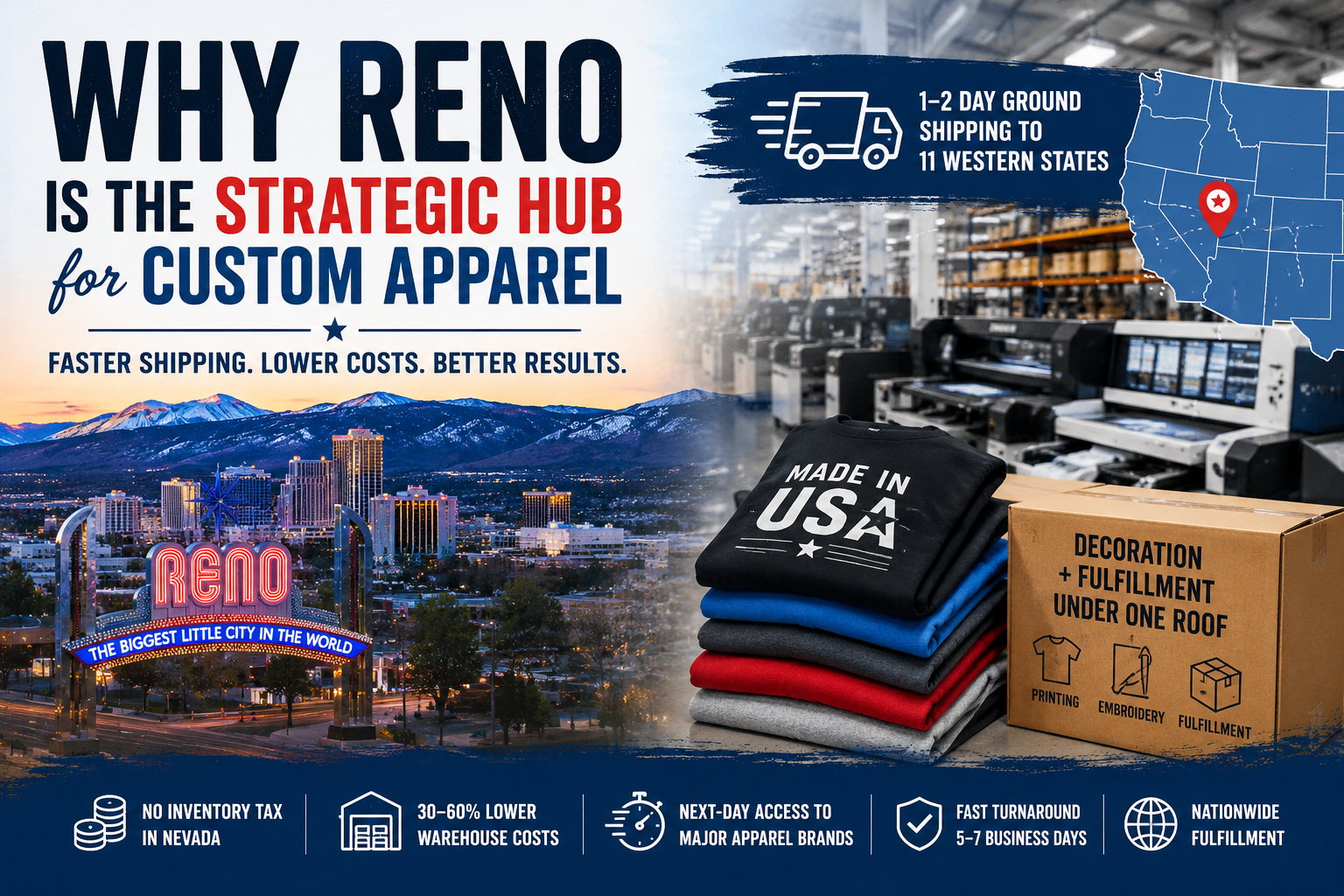
If you need more than printing, look for a partner that can also support warehousing, packing, shipping, and order management. That can simplify operations and reduce handoffs across vendors.
Common Questions About Custom Screen Printing
How long does custom screen printing last?
When produced correctly, screen printing can last through many washes and extended wear. Durability depends on artwork, garment type, ink choice, and curing quality.
Is screen printing better than digital printing?
It depends on the project. Screen printing is often better for larger orders, strong color impact, and long-term durability. Digital printing may be a better fit for short runs or highly detailed artwork with many colors.
What is the minimum order for screen printing services?
Minimums vary by provider. Because setup takes time, many printers require a minimum quantity to make production efficient.
Can screen printing handle complex designs?
Yes, but complexity affects setup and pricing. Fine detail, gradients, and many colors may require more advanced production methods or a different decoration option.
Conclusion
Custom screen printing continues to stand out because it combines durability, visual impact, and efficiency at scale. For businesses, organizations, and brands that need dependable apparel decoration, it remains one of the most practical and proven solutions available.
If you are planning a project, start with these steps:
- Review your artwork and print goals
- Estimate your quantity and timeline
- Consider the garment types you need
- Compare decoration methods based on quality and scale
- Choose screen printing services with the experience and production capacity to support your brand
The right print partner does more than put ink on fabric. They help protect your brand image, support your growth, and deliver apparel that works as hard as you do. Contact Silverscreen Decoration & Fulfillment to see if screen printing is the right apparel decoration method for you project or brand.